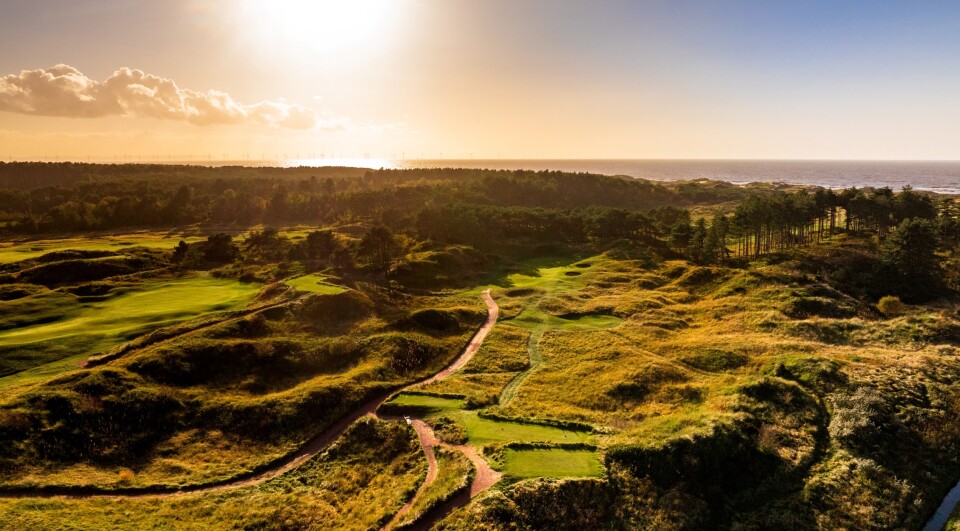
In the midst of a region dominated by seaside golf – most notably the three Open-hosting Royals of Lytham, Birkdale and Liverpool – Formby offers welcome respite. Not in terms of the challenge, it must be said, with a championship layout stretching beyond 7,000 yards and placing considerable demands on accurate driving.
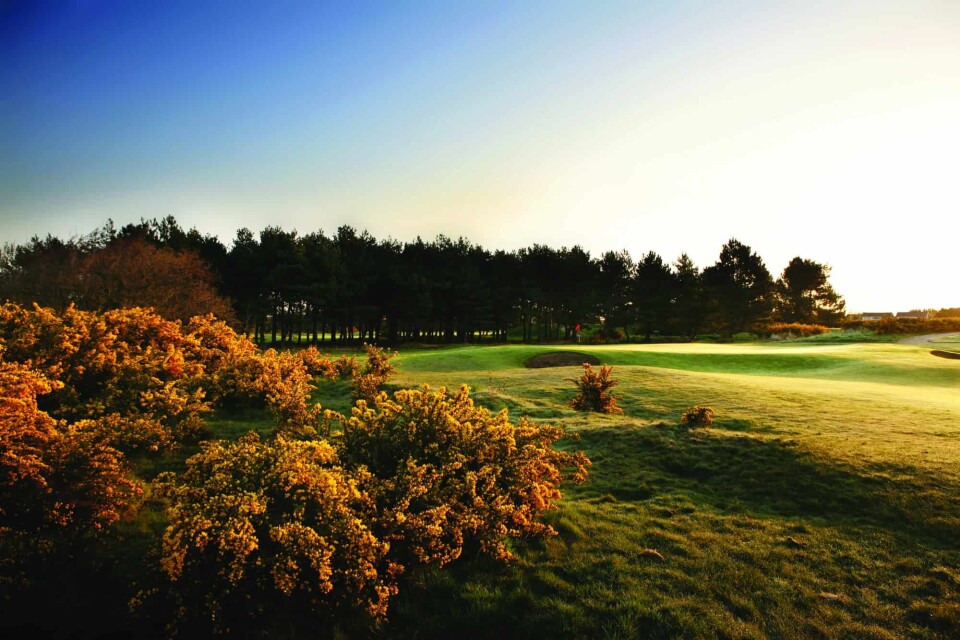
More because, with several holes flanked by trademark pines, it has a level of shelter and gentleness quite lacking from true links. It is one of those special courses resistant to easy classification. If Ganton really is an inland links then Formby is a seaside woodland course.
Indeed, in relatively recent times Formby has acquired an even more inland feel. In the early 1970s the club were forced to abandon three coastal holes that were gradually being eroded and create replacements further inland. The result is a course that only occasionally feels like a seaside one despite being close to the Irish Sea. Indeed, it comes as rather a shock when, as happens sporadically here, you emerge from relative shelter to be exposed for a few moments to the full force of the wind.
Originally a nine-holer, multiple Open champion Willie Park laid out the original 18, with the ubiquitous James Braid helping to redesign the closing stretch to take the holes away from new housing early in the 20th century.
In 1980, Donald Steel was responsible for the course remodelling following coastal erosion.
The course starts with a par 4 going away from the clubhouse, another par 4, followed by a par 5 that takes you almost into the trees. Other highlights on the front nine include the 7th, as difficult a 420-yarder as you are likely to find.
There were recent changes made to the 7th hole by Sam Cooper and Joe McDonnell. The fairway short of the green had problems with flooding and standing water. The ideas to raise the level of the ground and also increase visibility of the hole as it played blind.
From the turn the land is more open and the long par 4s come thick and fast – five in a row from the 11th – and while none by itself is especially terrifying, together they form a decisive stretch of holes. The short 16th is a welcome interlude before the best birdie chance of the day at the par-five 17th.
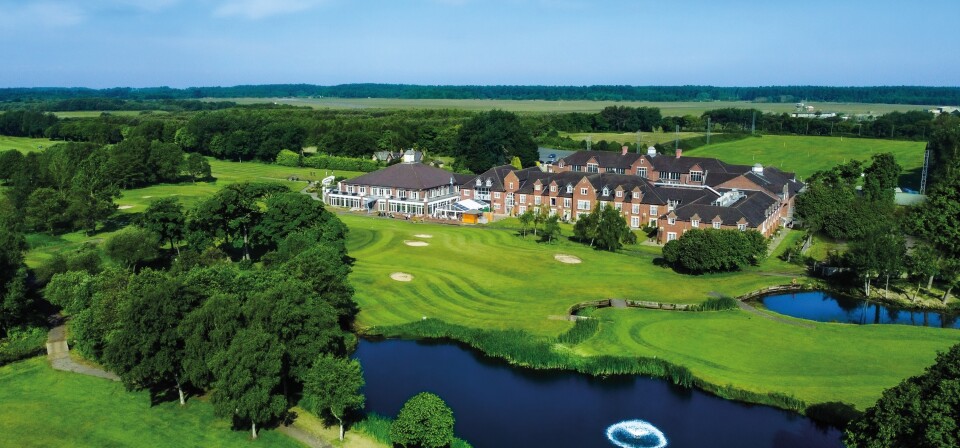
Alongside the amazingly large, flat putting surface – a design philosophy of Braid’s was that the final green ought to be welcoming and gentle, so that a golfer might hole a putt and leave with fond memories and therefore be encouraged to return – stands Formby’s imposing clubhouse.