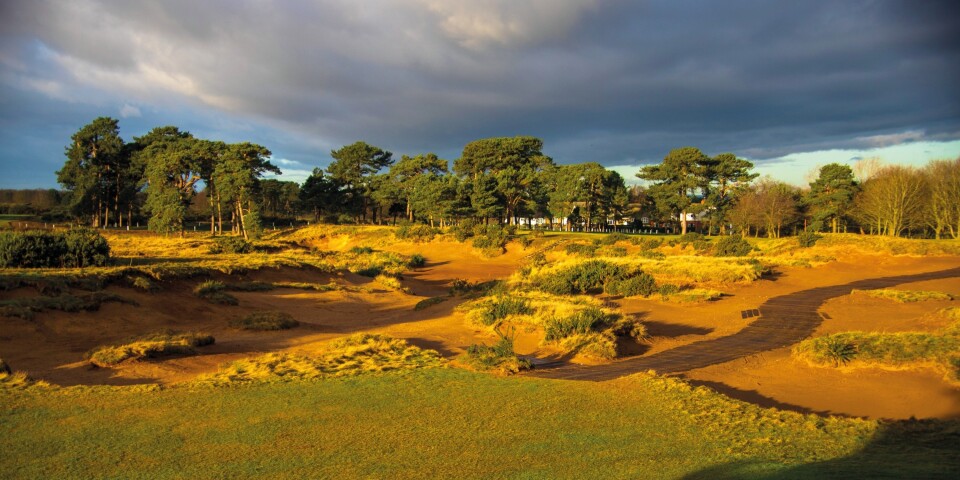
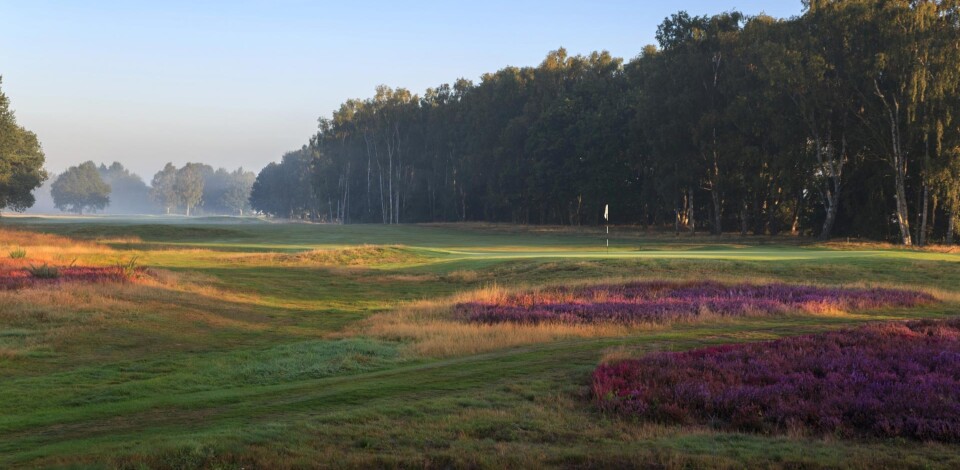
Ganton's defining feature is its bunkering. The course is renowned for its deep and strategically positioned bunkers, which demand precise shot-making and strategic decision-making from golfers. The heather-lined fairways, rolling hills and challenging wind conditions contribute to the course's difficulty and charm.
The closely-cropped turf is a ball striker's paradise while the greens are fast and true, but with some evil humps and hollows. The opening three holes are far from straightforward but nor are they excessively daunting. Both the 1st and the 2nd feature blind tee shots, but in both cases it is possible to 'sense' where the fairway lies. The 3rd, depending on the conditions, can be drivable, but it is fraught with danger, with out of bounds down the right and heavy bunkering and gorse across the corner of the dogleg.
The fun really begins at the 6th, a tough par four with another batch of cavernous bunkers to avoid. The emphasis at Ganton is on risk and reward, where a gamble has to be assessed as to whether it is worth taking on a bunker or a patch of rough to get closer to the green. The rewards are immense; the penalties draconian. An example is the par four 7th, a sharp dogleg to the right, with the inside angle protected by a clump of greedy bunkers.
Play safe and accept an approach in excess of 200 yards or cut the corner to set up a wedge to the rolling green. The last hole on the front nine is a supreme par 5 where the longer the drive, the narrower the fairway is. It is comfortably reachable in two for long hitters but the second shot, especially, must be threaded between bunkers to find the uncommonly small green.
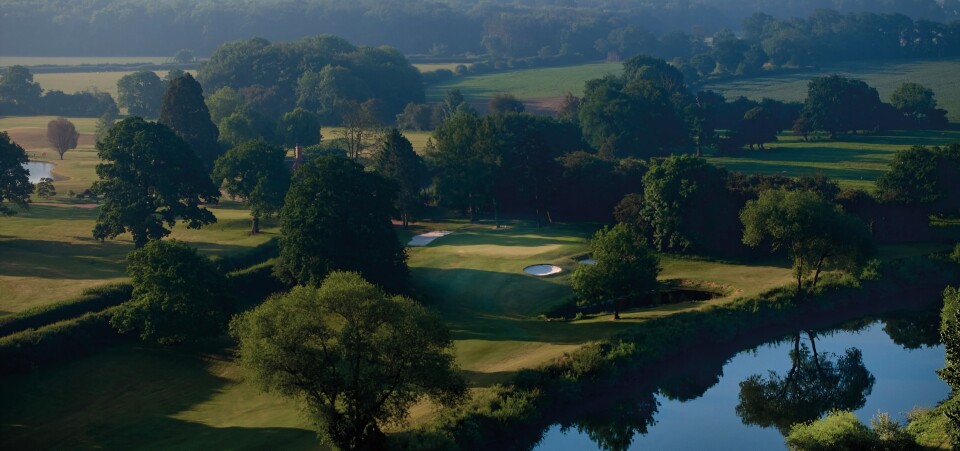
This begins with a short hole that plays into and across the prevailing wind before the 11th, with its generous fairway surrounded by fearsome gorse, moves back towards the clubhouse. Another change of angle takes the 12th, sweeping round in the opposite direction. It is a hole that has a distinctly parkland feel to it, especially in autumn. Like the 9th, the 13th is a three-shotter reachable in two but only with a pair of the most accurate shots.
Playing for a five on both holes should not prove too difficult. But attacking can be costly if power is not allied to great precision. The last respite before the fearsome home stretch comes in the shape of the 14th, a cracking short four that yields nearly as many sixes as it does birdies. If your score is not made by then, it is unlikely it ever will be because the final four holes demand supreme shot-making. The 15th is a long four that plays every inch, with the small hollow in front of the green making it difficult to chase a shot on to the green.
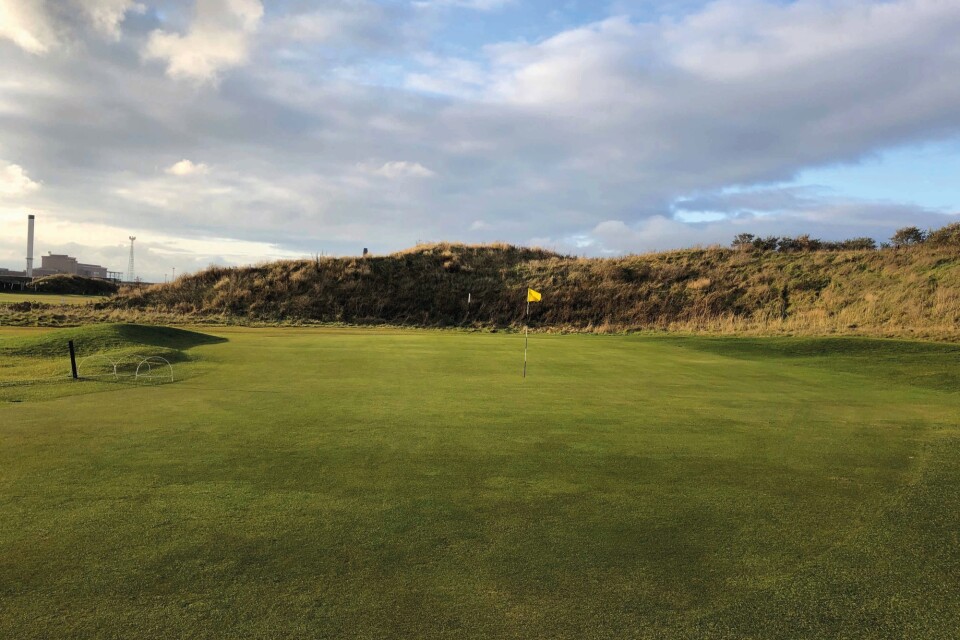
The next hole is almost unique in featuring a drive made blind not by a hillock, nor a clump of bushes, but by the gargantuan bunker that spreads across the entire fairway and into which, it is said, a bus could fit. 15 and 16 run parallel to one another, playing across the prevailing wind. The 17th is a formidable par 3 measuring 246 yards from the back tees. Even with a helping wind, finding the green and controlling the ball's landing and run is no straightforward task. The 18th is everything a closing hole should be. From the tee, the wind comes from the left and into the player. The fairway makes an abrupt turn to the left at the driving distance, meaning the approach is played directly into the wind. The green is protected by bunkers left and right and slopes considerably, making three putts a distinct possibility.