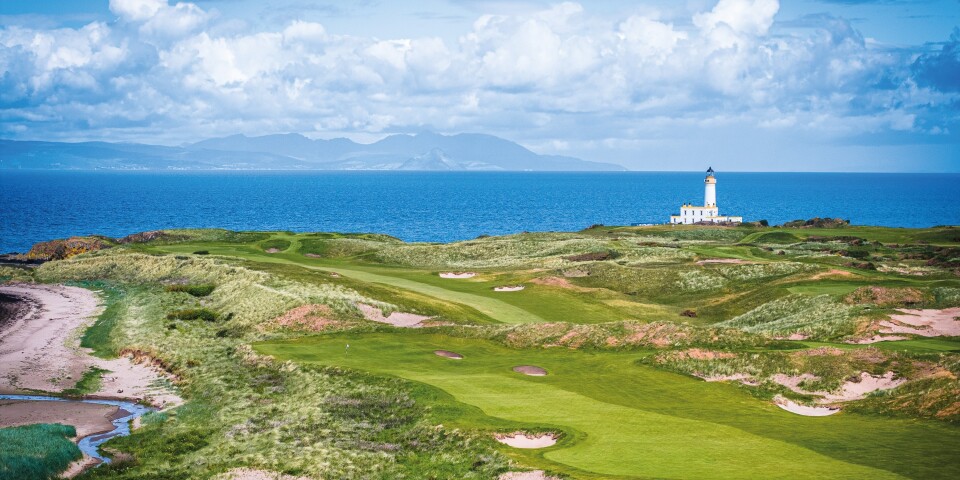
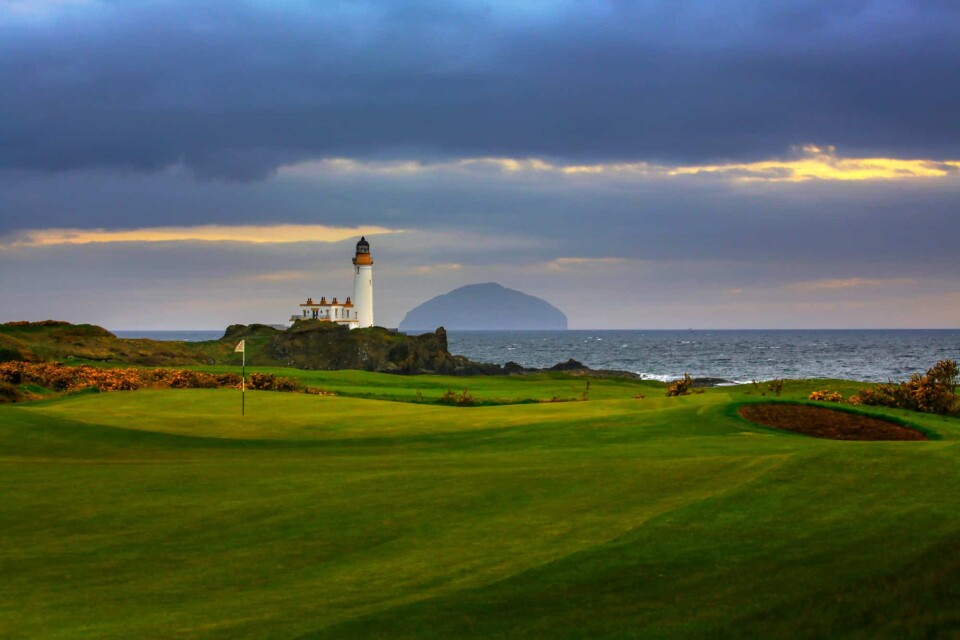
The Ailsa is one of the finest and most historic golf courses in the land, and it is also visually spectacular as well. The Championship tees stretch the Ailsa Course out to almost 7,500 yards. While the Whites might be close to 1,000 yards less at 6,511, they still present an extreme challenge for the regular amateur golfer.
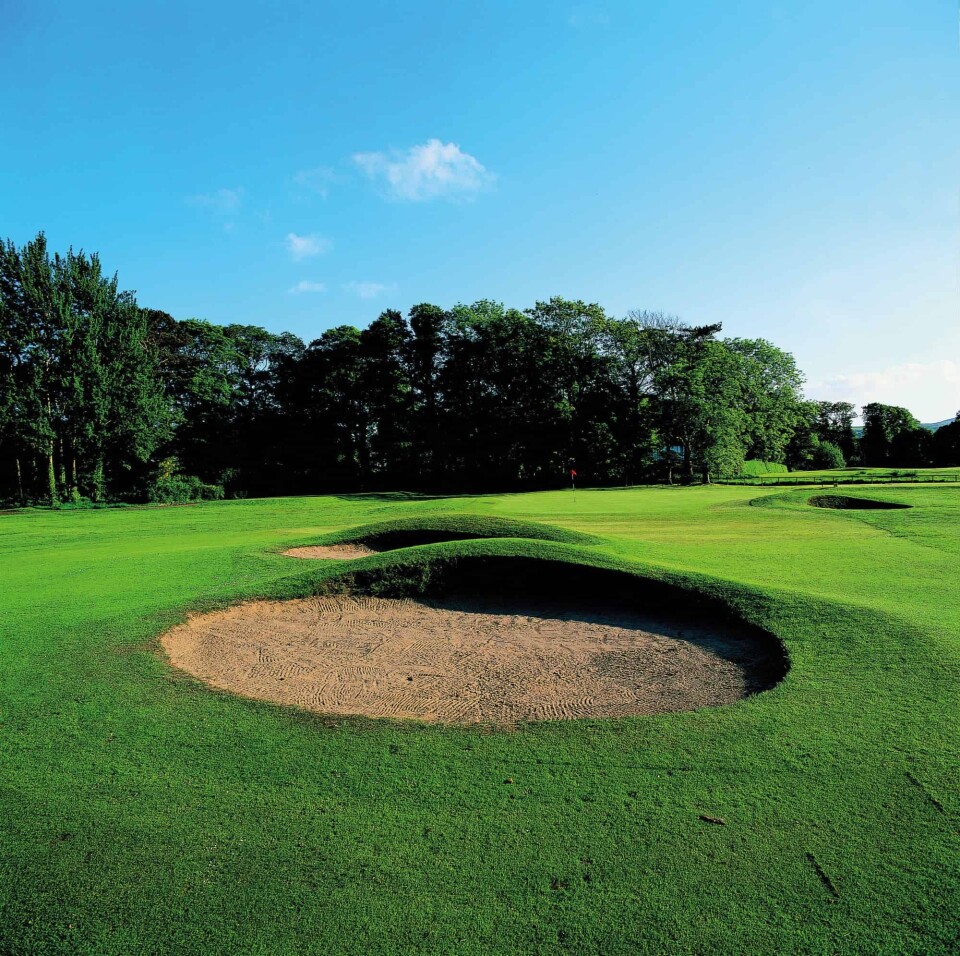
At 401 from the Whites, the opener on the Ailsa gets you off and running, but it is no simple task. A slight dog-leg right par 4 with four fairway bunkers to avoid on your opening tee shot. The 2nd and 3rd are both tricky par 4s as well, before you come to the opening short hole of the round at the 4th. At 189 yards, it is lengthy, and there is plenty of danger around. The Irish Sea is on your left, while there is also sand galore in your eyeline.
Previously a long par 4 and now a sporty par 5, you want to be playing your approach on the 5th from as far to the right as possible because the green is set at an angle to the fairway. But doing so involves flirting with bunkers and making the hole play longer than its yardage suggests. The 6th follows, and it is the shortest of the par 3s at less than 140 yards. The green sits above you, so make sure to club up. The 7th tee sits next to the coastline, and provides incredible views of the course. It is a par 5 that is gettable from the fairway, but if you don't find the short stuff off the tee, then you will have to be smart.
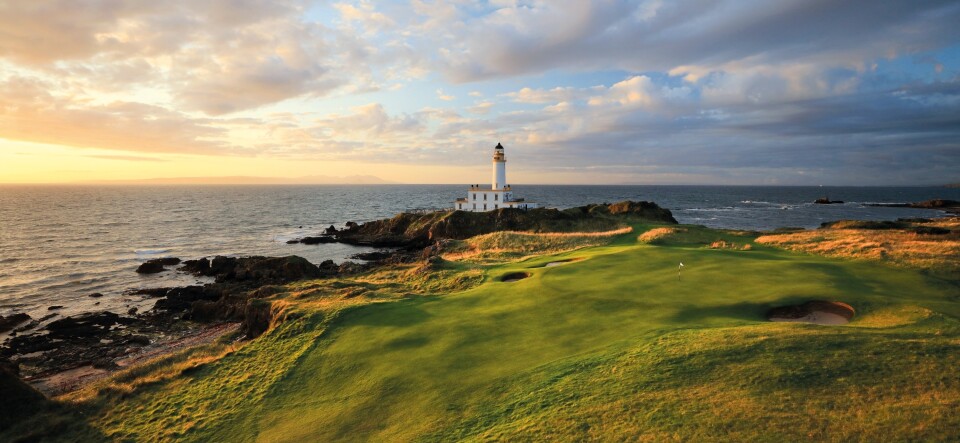
Around the turn, the Ailsa throws up some incredible golf holes. The 8th is a long par 4 played towards the lighthouse with the sea on your left is as strong a two-shotter as you are ever likely to encounter. Then, you can stand on the 9th tee and admire the views once more. This is one of the world's most breath-taking par 3s but it's also a challenge to boot. Everywhere the eye darts is wonder. Whether it's the awe-inspiring tee shot over the bay, the resplendent lighthouse in all its glory, or the remains of King Robert the Bruce's castle that can be seen from the green. It is stunning. It is dramatic. It is the quintessential photo moment. The 10th follows, and it is a long par 5 that arcs around the bay and teases players off the tee. It looks much tighter than it is, but those players who stray too far left will find nothing but the Firth of Clyde. If you're lucky, you might be able to play it off the beach. The well-known doughnut bunker, slap in the middle of the fairway, is designed to mess with those who are in two minds about attacking or laying up, while the infinity green is another stunning addition to an already sensational hole.
The glorious par 3s continue with the 11th, a 180-yard short hole played across the water. Anything left will find the rocks and only if you're lucky, will your ball rebound back to the green. The 12th is named 'Monument' after the monument by the green which honours those who lost their lives during the World Wars who were stationed at Turnberry. 13 is a slight dog-leg right par 4, before you come to another birdie chance at the 495-yard par 5 14th, but another that will only be a chance if you can find the fairway.
The 15th and 16th holes of the Ailsa Course at Trump Turnberry appear in the book ‘1001 Golf Holes You Must Play Before You Die’ by Jeff Barr, showing their class. ‘Ca’ Canny’ and ‘Wee Burn’ provide great tests as you come down the closing stretch on the Ailsa, with the 16th featuring the only water hazard on the property (other than the Irish Sea of course).
The 17th is arguably the toughest hole on the course, measuring 450 yards from the Whites, but playing as a par 4. The closing hole, named 'Duel In The Sun' after one of the most famous Open Championships in golfing history, brings you to the end of your round on the Ailsa Course. If you miss the fairway bunkers, you might have a slight opportunity of birdieing the last.